Meat and Poultry
5 Ways to Cook Skinless, Boneless Chicken Breasts Without Drying Them Out
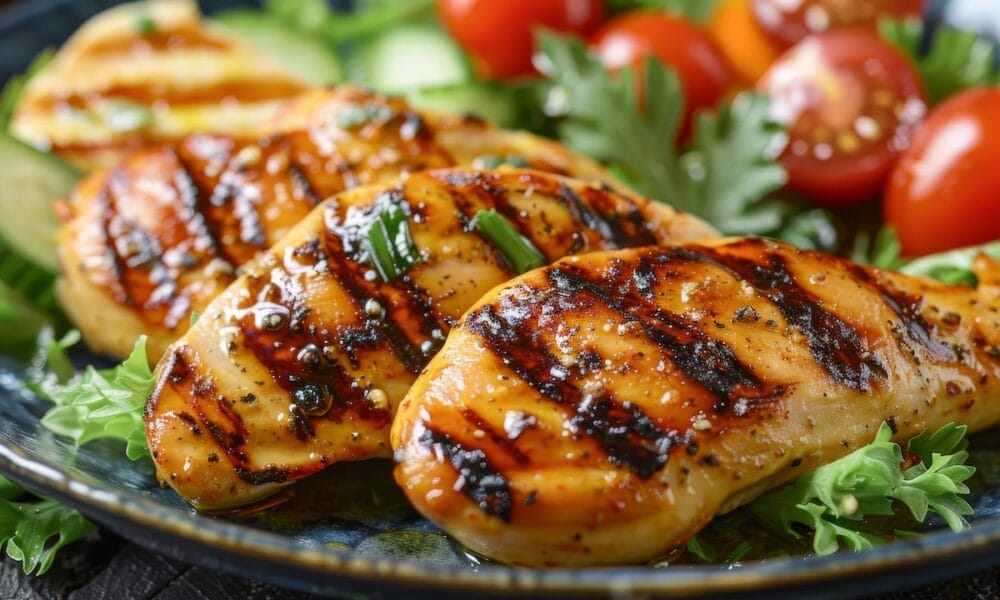
We know the scene all too well. The kitchen is warm and smells of toasted spices, garlic, and ginger. The ugali is steaming, the kachumbari is bright and sharp with lime, and you bring a beautiful platter of kuku to the table. You sit down with your family, slice into the meat, take a bite, and immediately reach for your water glass. The meat is tough, chalky, and completely dried out.
For generations, home cooks have blamed themselves for this exact failure, assuming they lacked some natural intuition over the jiko. But the truth is entirely rooted in the physical makeup of the meat itself. Skinless, boneless chicken breasts are heavily favored in healthy diets because they are one of the lowest-fat sources of complete protein available. A standard 3-ounce portion contains a mere 1.5 grams of fat.
While that leanness is brilliant for our bodies, it is terrible for the fire. Fat equals forgiveness in the cooking pot. Without it, the dense muscle fibers of white meat seize up quickly. Rigorous kitchen testing proves that white meat dries out very easily and is completely ruined if its internal temperature climbs past 160°F.
But you do not have to accept dry, gray dinners. By applying real, tested kitchen science, you can conquer this unforgiving cut. Here are five foolproof ways to cook skinless, boneless chicken breasts so they remain incredibly juicy, tender, and packed with flavor.
1. The Magic of the Brinerade
If you usually toss your nyama into a bowl of oil, lemon juice, and herbs hoping it will become tender, you are missing a massive opportunity. Muscle proteins are already completely saturated with water, meaning they naturally repel the oil in standard marinades. The flavors simply sit on the surface, doing nothing to protect the inside of the meat.
To guarantee a juicy bite, you need salt.
When you soak lean poultry in a saltwater solution—a brine—you fundamentally alter the meat’s structure. Through osmotic pressure, the salt travels deep into the muscle tissue, breaking down tough proteins and creating microscopic gaps that fill up with water. You can take this a step further by creating a “brinerade,” which is a highly concentrated flavor soak containing two to three times more salt than a normal brine, or a salty ingredient like soy sauce. This drives rich, savory seasoning straight to the core of the meat while providing a protective cushion of moisture.
Quick Brining Guide for Chicken Breasts
| Cut of Meat | Cold Water | Table Salt | Time Required |
|---|---|---|---|
| 4 Boneless, Skinless Breasts | 2 quarts | ¼ cup | 30 to 60 minutes |
| 1 Whole Chicken (3.5 to 4 lbs) | 2 quarts | ½ cup | 30 to 60 minutes |
| 4 lbs Bone-In Parts | 2 quarts | ½ cup | 30 to 60 minutes |
Always use cold water and keep the meat in the refrigerator while it brines to prevent bacterial growth.
2. Pounding for Even Heat
Take a good look at a whole chicken breast. One end is thick and bulbous, while the other tapers off into a thin, delicate point. If you drop that uneven piece of meat into a hot sufuria, the thin end will overcook and turn to leather long before the thick center reaches a safe temperature.
The smartest thing you can do is physically alter the shape of the meat.
You have two options here. First, you can carefully slice the breast horizontally to create two thin, even cutlets. If your knife skills are a bit rusty, try placing the meat in the freezer for about 15 to 20 minutes first; the slight chill firms up the flesh and makes slicing remarkably easy.
Your second option is to pound the meat. Place the breast between two sheets of plastic wrap and use a heavy, smooth-surfaced mallet or the bottom of a heavy pan to gently strike the meat, working from the center outward. Flatten the breast until it is a uniform ½-inch thickness. Pounding physically breaks down the muscle fibers, resulting in a very thin piece of meat that cooks incredibly fast and evenly.
3. Creating a Protective Crust
When you cook lean meat directly against hot metal, the moisture is instantly squeezed out. We can prevent this by building a physical shield around the meat.
Coating your flattened cutlets in flour, cornmeal, or seasoned breadcrumbs serves a dual purpose. First, the starches absorb the immediate shock of the heat, insulating the delicate meat inside so it gently steams in its own juices. Second, the coating crisps up in the oil, providing a beautiful, golden crunch and a highly textured surface that grabs onto sauces perfectly.
For the best results, dry the meat completely, dip it into a beaten egg, and then press it firmly into your seasoned crumbs. Briefly chilling the breaded meat in the refrigerator for a few minutes helps the coating dry out and stick firmly to the cutlet, preventing it from falling off in the pan.
4. The Quick Sauté and the Pan Sauce
Sautéing relies on a small amount of hot fat to quickly brown the food over moderately high heat. Because we have already pounded our breasts thin, they only require a few minutes per side.
However, you must follow the absolute golden rule of browning: always pat your meat entirely dry with paper towels before it hits the pan. Browning occurs through the Maillard reaction, a complex chemical process where amino acids and sugars combine under high heat to create hundreds of deep, savory flavor compounds. This reaction simply cannot happen if surface moisture is present. If you put wet nyama into hot oil, the heat’s energy is wasted boiling away the water, and your meal will steam instead of sear.
Once you have quickly seared your cutlets, remove them to a warm plate and look at the bottom of your skillet. You will see sticky, browned bits left behind. This is called the fond, and it is packed with pure, concentrated flavor. You can build an incredible mchuzi right in the pan.
The Quick Pan Sauce Formula
| Step | Action | Ingredient Ideas |
|---|---|---|
| 1. Sauté Aromatics | Add to the empty, hot pan and cook for 30-60 seconds. | Minced garlic, shallots, ginger, or chili peppers. |
| 2. Deglaze | Pour in liquid and scrape the bottom of the pan to dissolve the fond. | Chicken broth, dry white wine, or apple cider. |
| 3. Reduce | Boil the liquid until it thickens slightly and flavors concentrate. | Let it bubble rapidly for 2 to 3 minutes. |
| 4. Emulsify | Remove from heat and whisk in fat for a glossy, rich finish. | 1 or 2 tablespoons of cold butter. |
Always add any resting juices from the chicken platter straight back into the sauce so you don’t lose a single drop of flavor.
5. Gentle Poaching and Steaming
Sometimes we do not want the heavy, roasted flavors of a hard sear. On a hot afternoon, a light, deeply moist piece of chicken is perfect for slicing over fresh greens or serving alongside steaming rice. For this, we abandon dry heat entirely and turn to moist heat.
Moist-heat cooking methods gently surround the meat with liquid or steam. Because the temperature remains relatively low, the meat cooks evenly without violently contracting and squeezing out its juices.
To poach, place your breasts in a wide sufuria and add enough highly seasoned liquid to just barely cover them. A wonderful base is a mix of chicken broth, a splash of lemon juice, fresh tarragon, salt, and peppercorns. Bring the liquid just to a simmer, cover the pot, and let it cook gently over medium-low heat for 12 to 15 minutes until the meat is entirely white throughout. Let the chicken cool directly in its cooking liquid to absorb even more flavor and retain its supreme juiciness.
Alternatively, you can steam the meat in the oven using a technique called en papillote. Place a chicken breast on a large piece of parchment paper or aluminum foil, top it with fresh herbs, a drizzle of olive oil, and some thin vegetable slices, and crimp the edges tightly to form a sealed pouch. As it bakes, the moisture from the chicken and vegetables turns to steam, trapped entirely inside the package. When you tear the paper open at the table, a fragrant, intoxicating cloud of steam rises up, revealing a perfectly moist meal.
The Golden Rule: Have Patience
The absolute hardest part of cooking a beautiful meal is doing absolutely nothing when you take it off the fire.
Human nature tells us to carve into the meat immediately to see if it is done. You must resist this urge. When meat is exposed to high heat, the muscle fibers contract and drive their natural juices toward the center. If you slice into the breast the moment it leaves the jiko, all of those savory, hard-earned juices will instantly flood out onto your cutting board, leaving the meat you just carefully cooked completely dry.
You must let the meat rest. Allowing the chicken to sit on a warm plate for 5 to 10 minutes gives the muscle fibers time to relax and naturally reabsorb their juices. Kitchen testing proves that steaks and breasts rested for just 10 minutes shed 40 percent less juice than those sliced immediately.
During this resting period, the meat will also experience carryover cooking. The outside of the meat is so hot that it will continue to raise the internal temperature of the center even while sitting on the counter. Because of this, always remove your chicken from the heat when it is about 5 degrees below your target serving temperature.
Invest in a digital instant-read thermometer. Measure the temperature by pushing the probe horizontally through the side of the breast to easily reach the dead center. The moment the dial hits 155°F, pull the chicken off the heat, tent it loosely with foil, and let it rest until it carries over to a perfect, safe 160°F.
Cooking does not have to be a blind guessing game. When we understand exactly how our ingredients react to heat, salt, and time, we stop fearing the fire and start enjoying the kitchen again.
Have you tried mastering the brinerade, or do you have a secret family mchuzi you love to serve over your kuku? Tell us how it turned out in the comments below. We love seeing your kitchen creations—tag us on Instagram the next time you serve up a perfectly juicy feast!