Bakery
Bake Like a Pro: Your Guide to Amazing Artisan Bread at Home
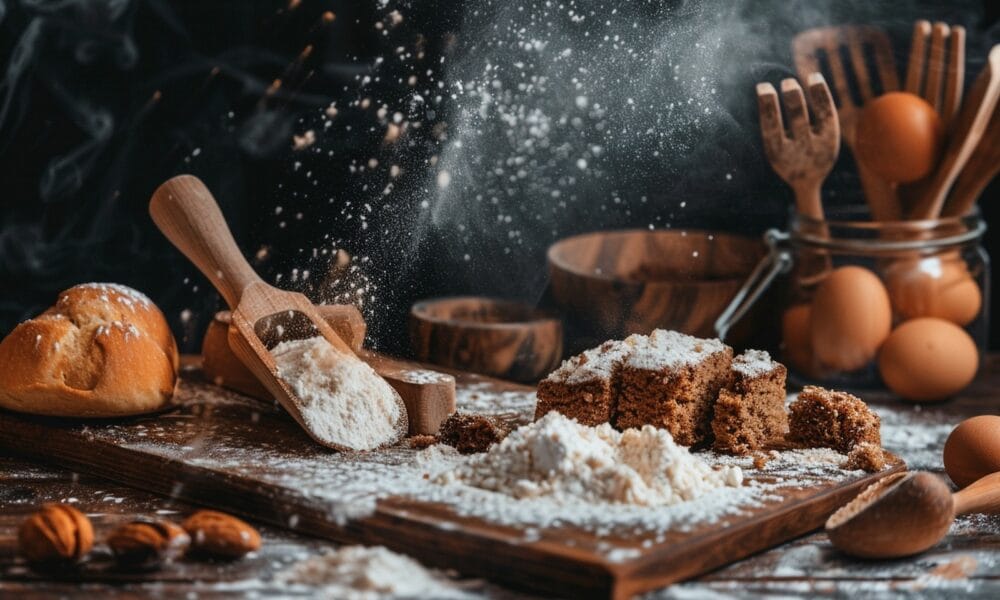
Jambo! Karibu sana! Is there anything better than the smell of freshly baked bread wafting through your home? Imagine pulling a gorgeous loaf from your own oven – golden brown, with a crackling crust and a soft, airy inside. That beautiful, rustic bread you see in bakeries or fancy restaurants? That’s artisan bread, and guess what? You absolutely can make it yourself, right here in your East African kitchen!
Maybe you’ve thought about it but felt intimidated. Words like “artisan,” “fermentation,” and “scoring” might sound complicated. You might wonder if you need special, expensive equipment or hard-to-find ingredients.
Well, I’m here to tell you that creating professional-quality artisan bread is within your reach! It’s more about understanding a few key artisan bread baking techniques than having a fancy setup. It takes a little patience, yes, but the reward is incredibly satisfying.
We’ll break down the process step-by-step, focusing on what you really need to know and use ingredients readily available locally. We’ll cover everything from the basic building blocks to getting that perfect crusty exterior everyone loves. We’ll even include one of our favourite artisan bread recipes for beginners to get you started.
So, roll up your sleeves, dust off your apron (or just wear something comfy!), and let’s unlock the secrets to baking incredible bread together.
First Things First: What Makes Bread “Artisan”?
Before we dive in, what does “artisan bread” even mean? Unlike the soft, uniform loaves you often find pre-packaged, artisan bread typically features:
- Simple, Quality Ingredients: Often just flour, water, salt, and yeast or a natural starter. No preservatives or unnecessary additives.
- Longer Fermentation: This is key! Allowing the dough to ferment (rise) slowly develops much deeper, more complex flavours. It’s not just about making the bread bigger; it’s about taste!
- Hands-On Techniques: While some recipes are “no-knead,” many involve gentle handling like stretching and folding, or careful shaping to build structure.
- Characteristic Crust & Crumb: Think a beautiful, often thick and chewy or crisp crust, and an interior (the “crumb”) that might have irregular holes and a satisfying texture. It looks beautifully imperfect, often rustic.
Essentially, it’s bread made with care, focusing on flavour and texture developed through natural processes.
The Building Blocks: Your Basic Ingredients
The foundation of most artisan breads is incredibly simple. Let’s look at the core four:
- Flour (Unga wa Ngano): This is the structure.
- What kind? For beginners, standard all-purpose flour (unga wa ngano available everywhere) works well! Bread flour has slightly higher protein, which helps create a chewier texture and better structure, so if you find it easily, great! But don’t let the lack of specific “bread flour” stop you. Start with what you have. Whole wheat flour can be added for flavour and nutrition, but maybe start with mostly white flour as it’s easier to handle initially.
- Why protein matters (briefly): Protein forms gluten when mixed with water. Gluten is the network that traps gases produced by yeast, allowing the bread to rise and giving it structure.
- Water: Hydration is key! It brings the dough together and allows gluten to form.
- Temperature matters: Yeast is a living organism. Water that’s too hot can kill it; too cold, and it works very slowly. Lukewarm (around 35-40°C – comfortable to the touch) is usually best for activating yeast. For longer, slower ferments (like no-knead), cooler water is often used.
- Salt: Don’t underestimate salt!
- Flavour: It makes the bread taste good, not just salty.
- Controls Yeast: It slows down yeast activity, preventing the dough from fermenting too quickly and allowing flavour to develop.
- Strengthens Gluten: It helps tighten the gluten structure. Use regular table salt or sea salt.
- Leavening (Making it Rise):
- Commercial Yeast: This is the easiest way to start. Instant dry yeast or active dry yeast are widely available and reliable. Instant yeast can usually be mixed straight into the dry ingredients, while active dry yeast often needs to be dissolved in warm water first (check the package instructions).
- Sourdough Starter (Advanced): This is a natural leaven made from flour and water, capturing wild yeasts from the environment. It gives bread a characteristic tangy flavour and requires more care and time. Let’s master the basics with commercial yeast first, and maybe tackle sourdough down the road!
Essential Artisan Bread Baking Techniques (The “How-To”)
This is where the magic happens! Understanding these steps is crucial.
1. Mixing & Kneading (Developing Strength):
- Goal: To combine the ingredients evenly and develop the gluten network.
- Methods:
- Hand Kneading: The traditional way! Once the dough comes together, turn it onto a lightly floured surface. Push the dough away from you with the heel of your hand, fold it over, give it a quarter turn, and repeat. It might feel sticky at first, but it will become smoother and more elastic. Aim for 10-15 minutes. Think of the rhythmic motion, like washing clothes by hand.
- Minimal Kneading / “No-Knead”: Perfect for beginners! These recipes use higher hydration (wetter dough) and longer fermentation times. The gluten develops slowly over time with minimal handling. Often involves simple “stretch and folds” instead of traditional kneading.
2. Fermentation / Bulk Rise (Flavour Factory!):
- Goal: This first rising period is where the yeast gets to work, producing carbon dioxide (which makes the dough rise) and complex flavour compounds. This is crucial for that artisan taste!
- Process: Place the dough in a lightly oiled bowl, turn it over to coat lightly, cover it (with plastic wrap, a damp cloth, or a lid), and let it sit in a warm place.
- Timing: This varies a lot based on the recipe, yeast amount, and room temperature (it will be faster in warmer East African climates!). It could be 1-2 hours, or much longer for no-knead recipes (even overnight in the fridge). The recipe will guide you, but look for the dough to roughly double in size.
- Stretch and Folds (for wetter doughs): Instead of kneading, you might perform a few sets of “stretch and folds” during this time. Wet your hands slightly, reach under one side of the dough, stretch it up gently, and fold it over the top. Rotate the bowl and repeat on all four sides. This builds structure without intense kneading.
3. Shaping (Giving it Form):
- Goal: To gently deflate the dough and shape it into its final form (round ‘boule’, oval ‘bâtard’, etc.), creating surface tension. This tension helps the loaf hold its shape and rise upwards nicely in the oven (called “oven spring”).
- Process: Turn the fermented dough out onto a lightly floured surface. Gently press out the large air bubbles. Fold the edges into the centre, then flip it over and use your hands (cupped) or a bench scraper to rotate the dough on the surface, tucking the edges underneath to create a tight “skin.” Be gentle but firm!
4. Proofing / Second Rise (The Final Boost):
- Goal: To let the shaped loaf rise again before baking.
- Process: Place the shaped dough seam-side up in a proofing basket (banneton) dusted with flour, or in a bowl lined with a well-floured kitchen towel (kitambaa). Cover loosely and let it rise again.
- Timing: This rise is usually shorter than the first, maybe 30-90 minutes, depending on warmth.
- How to Tell It’s Ready? The Poke Test! Gently poke the side of the loaf with a floured finger.
- If the indentation springs back immediately: Needs more proofing time.
- If the indentation springs back slowly and leaves a slight indent: It’s ready!
- If the indentation stays completely: It might be over-proofed (bake it quickly!).
5. Scoring (Making Your Mark):
- Goal: To create a weak spot on the surface of the dough, controlling where it expands during baking. Without scoring, the loaf might burst open in unpredictable places. Plus, it looks nice!
- Process: Just before baking, carefully flip your proofed loaf onto your baking surface (if proofed seam-up). Using a very sharp knife, razor blade, or a baker’s lame (a blade on a handle), make decisive cuts on the top. About 1/4 to 1/2 inch deep.
- Patterns: A simple single slash, a cross (+), or a square (#) are great for beginners.
6. Baking – The Secret to That Amazing Crust!
- Goal: To cook the bread through and develop that beautiful, crackling crust. Two things are critical: High Heat and STEAM.
- High Heat: Start with a very hot oven (often 230-250°C). This initial blast of heat causes rapid expansion of gases in the dough – the “oven spring.”
- STEAM: This is the secret weapon for how to make crusty bread. Steam during the first part of baking does two things:
- It keeps the surface of the dough moist and flexible, allowing it to expand fully without setting too early (maximum oven spring).
- Once the steam is gone, the hot, dry air creates that lovely crisp, golden-brown crust.
- How to Create Steam at Home (Accessible Methods):
- Dutch Oven / Heavy Covered Pot (Sufuria): Highly Recommended! This is the easiest and most effective way. Preheat the heavy pot with its lid in the hot oven for at least 30 minutes. Carefully place your scored loaf inside the hot pot, put the lid back on, and bake. The moisture from the dough itself creates steam trapped inside the pot. Bake covered for the first 20-30 minutes, then remove the lid to allow the crust to brown and crisp up. Safety first: Use thick oven mitts – that pot is extremely hot! A heavy-based sufuria with a tight-fitting lid can work wonderfully as a substitute.
- Steam Pan Method: Place a sturdy baking tray or cast-iron skillet on the bottom rack of your oven while it preheats. Just after putting your bread in (on a baking sheet or stone on a higher rack), carefully pour a cup of hot water into the preheated tray. Quickly close the oven door to trap the steam. Be very careful of the burst of steam! Remove the steam pan after about 20 minutes.
Best Bread Baking Tools (Focus on the Essentials)
You don’t need a professional bakery setup! Here are the best bread baking tools for beginners, focusing on affordable basics:
- Large Mixing Bowl: Any sturdy bowl will do.
- Kitchen Scale: Highly recommended! Baking is chemistry, and accuracy matters. Measuring flour by volume (cups) can be very inconsistent depending on how packed it is. A simple digital kitchen scale is affordable and will drastically improve your results. Measure in grams for best accuracy.
- Bench Scraper: A simple flat piece of metal or plastic. Incredibly useful for dividing dough, scraping it off surfaces cleanly, and helping with shaping.
- Something to Bake In/On:
- Dutch Oven / Heavy Pot (Sufuria): Your best bet for crusty loaves.
- Baking Stone or Steel: If you have one, great! Preheat it in the oven for amazing crusts. Needs a way to create steam separately (steam pan).
- Heavy Baking Sheet: Can work, especially for flatter rustic bread recipes. Results might be less crusty than a Dutch oven.
- Sharp Knife or Razor Blade (Lame): For scoring. A simple, clean razor blade works well.
- Proofing Basket (Banneton) or Bowl with a Linen/Cotton Towel: Helps the loaf hold its shape while proofing. Not strictly necessary (you can proof seam-down on parchment paper), but helpful. Make sure the towel (kitambaa) is well-floured to prevent sticking.
- Cooling Rack: Essential! Letting bread cool on a rack allows air to circulate underneath, preventing the bottom from getting soggy.
Simple Rustic Loaf: One of Our Favourite Artisan Bread Recipes for Beginners
Ready to try? This is a straightforward recipe, adaptable to what you have. It uses minimal kneading and relies on time for flavour.
Yields: 1 Loaf Prep time: 20 mins + 1.5-3 hours fermentation/proofing Bake time: 40-50 mins
Ingredients:
- 500g All-Purpose Flour (unga wa ngano) (about 4 cups, but grams are better!)
- 350-375g Lukewarm Water (about 1.5 cups) – start with 350g, add more if dough feels too stiff.
- 10g Salt (about 1.5 – 2 teaspoons)
- 4g Instant Dry Yeast (about 1 teaspoon) OR 5g Active Dry Yeast (about 1.5 teaspoons)
Equipment:
- Large Bowl
- Kitchen Scale (recommended!)
- Dutch Oven / Heavy Pot (Sufuria) with Lid
- Bench Scraper (optional)
- Proofing basket or Bowl with floured towel
- Sharp knife/razor
- Cooling Rack
Instructions:
- Mix Dough: In your large bowl, whisk together the flour, salt, and instant yeast (if using active dry, dissolve it in a portion of the warm water first for 5-10 mins until bubbly). Add the water and mix with your hands or a wooden spoon until a shaggy dough forms and no dry flour remains. It will be sticky! Don’t worry.
- Bulk Ferment (First Rise): Cover the bowl tightly (plastic wrap or lid). Let it sit at room temperature for 1-2 hours, or until roughly doubled in size and bubbly. Optional: Perform one set of stretch and folds after 30 minutes.
- Shape: Turn the dough out onto a lightly floured surface. Gently press it into a rough rectangle. Fold the top third down, then the bottom third up (like a letter). Then fold the left third over, and the right third over that. Flip it seam-side down. Gently cup your hands around the dough and rotate it on the counter to create a round shape (boule) with some surface tension.
- Proof (Second Rise): Generously flour your proofing basket or bowl lined with a floured towel. Place the shaped dough seam-side up into the basket/bowl. Cover loosely and let it proof for 30-60 minutes. Use the poke test to check readiness.
- Preheat Oven & Pot: About 30 minutes before proofing is done, place your Dutch oven (sufuria) with the lid on into your oven. Preheat the oven to 230°C (450°F).
- Score & Bake: Once proofed and the oven/pot is hot, carefully remove the hot pot from the oven (use good mitts!). Dust the bottom with a little flour or place a piece of baking parchment inside. Carefully flip the proofed loaf out of the basket/bowl and into the hot pot (it should now be seam-side down). Quickly score the top with your sharp knife/razor. Immediately place the hot lid back on the pot.
- Bake Covered: Return the covered pot to the hot oven. Bake for 25-30 minutes.
- Bake Uncovered: Carefully remove the lid (watch for steam!). Continue baking for another 15-20 minutes, or until the crust is deeply golden brown and the internal temperature reaches about 96-99°C (205-210°F) if you have a thermometer. If you tap the bottom, it should sound hollow.
- Cool Completely: This is important! Carefully remove the loaf from the pot and place it on a wire rack. Let it cool completely (at least 1-2 hours) before slicing. This allows the internal structure to set and flavour to fully develop. Cutting too soon can result in a gummy texture.
Quick Troubleshooting
- Dense Bread? Could be under-proofed, not enough gluten development, or oven not hot enough.
- Pale Crust? Oven not hot enough, not enough steam, or didn’t bake long enough uncovered.
- Sticking to Proofing Basket? Use more flour (rice flour works great if you have it, as it doesn’t absorb water easily).
- Flat Loaf? Might be over-proofed, or not enough surface tension during shaping.
Your Baking Adventure Begins!
Making your own artisan bread is a journey, not a race. Your first loaf might not be perfect, and that’s okay! Each time you bake, you’ll learn something new. Pay attention to how the dough feels, how it rises in your specific environment (temperature and humidity in Kampala will differ from Nairobi!), and how it bakes in your oven.
The techniques we’ve discussed are the foundation for many rustic bread recipes and even some Italian bread recipes like crusty loaves (though things like ciabatta involve wetter dough and different handling).
The most important ingredients? Patience and practice. Embrace the process, enjoy the incredible aroma filling your home, and take pride in creating something delicious with your own hands.
Happy Baking! You’ve got this!