Meat and Poultry
Why You Must Always Slice Steak Against the Grain
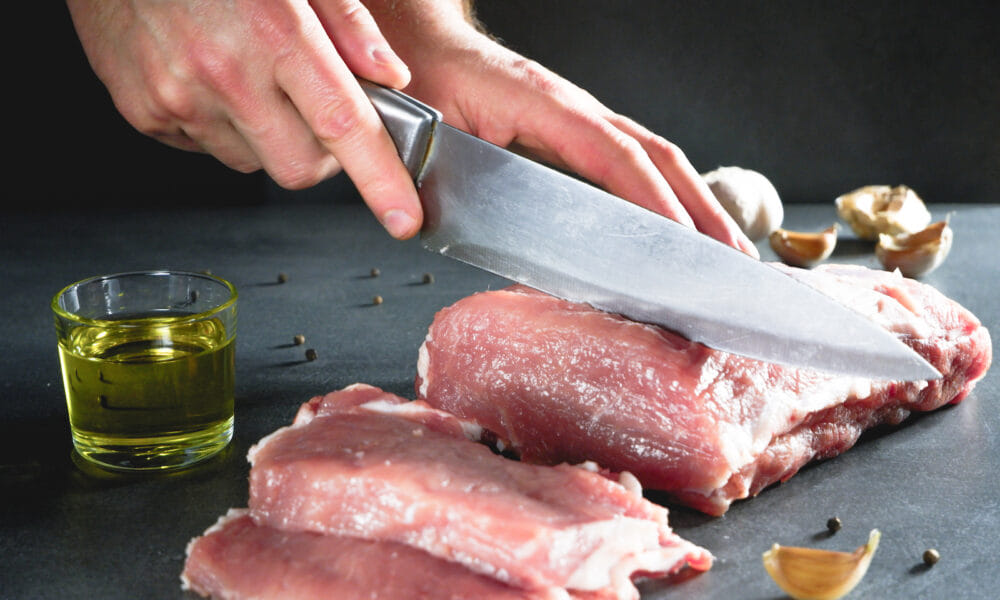
You’ve nailed the seasoning, perfected the sear, and rested your steak like a patient pro. Then you pick up your knife — and how you cut it determines whether that steak is tender and magnificent or chewy and forgettable. Slicing steak against the grain is one of those non-negotiable kitchen rules that makes an immediate, dramatic difference, and once you understand why, you’ll never go back.
It doesn’t matter whether you’re cutting into a Sunday nyama choma, a grilled sirloin at a family gathering, or a pan-seared ribeye on a Tuesday night. The grain rule applies every single time.
What Does “The Grain” Actually Mean?
Look at a raw or cooked steak closely and you’ll see long, parallel lines running across the surface of the meat. Those lines are muscle fibres — the actual structural tissue that the animal used to move, stand, and function. Every cut of beef has them, and they run in a consistent direction depending on the muscle they came from.
The grain is simply the direction those fibres run.
Some cuts have a very obvious grain that’s easy to spot — flank steak and skirt steak are almost dramatic in how clearly you can see the lines. Others, like ribeye, have a subtler pattern. But it’s always there. Tilt the steak toward natural light and look for the lines before you cut.
The Science Behind the Slice
Here’s why direction matters so much. Muscle fibres are long, tough, and chewy by nature. When you bite into a piece of steak, your teeth are doing the work of breaking those fibres apart.
Cut with the grain — meaning your knife runs parallel to the muscle fibres — and you’re leaving those long fibres fully intact. Each bite you take has to tear through the full length of that fibre. The result is a steak that pulls, resists, and requires serious chewing. Even a well-cooked steak sliced the wrong way will feel tough.
Cut against the grain — meaning your knife runs perpendicular to the fibres — and you’re shortening them dramatically before the meat ever reaches your mouth. Instead of biting through a fibre that’s 10 centimetres long, you’re biting through one that’s perhaps 5 millimetres. Your teeth barely have to work. The steak feels tender, yielding, and rich in a way that seems almost effortless.
The cooking method hasn’t changed. The cut of meat hasn’t changed. Just the direction of your knife — and the difference is night and day.
How to Find the Grain Before You Cut
Before you touch the knife to the steak, do this:
1. Look at the surface of the meat. You’re looking for the lines of muscle fibre running across the steak. On well-cooked meat they may be slightly less obvious, but they’re always there.
2. Identify the direction they run. Are the lines going left to right? Top to bottom? Diagonally? That direction is the grain.
3. Turn your knife 90 degrees from that direction. Your blade should now be cutting across those lines, not along them. Every slice should visibly cut through the grain rather than run alongside it.
If you’re unsure, make one test slice and look at the cut face. If you can see the ends of short, round fibres looking back at you like a cross-section, you’re cutting against the grain. If you see long lines continuing across the cut face, you’re still with it — rotate your angle.
Different Cuts, Different Challenges
Not every steak is the same, and some are far more forgiving than others.
Ribeye and striploin have relatively short muscle fibres to begin with, which is part of why they’re considered premium cuts. They’re more forgiving of direction, but slicing against the grain still makes a noticeable improvement.
Flank steak and skirt steak are where this rule becomes absolutely critical. These are lean, flavourful cuts with very long, very obvious muscle fibres running in a single direction. Slice them correctly and they’re incredible — bold, beefy, and tender enough to enjoy in thin strips. Slice them with the grain and they’ll be so chewy they’ll feel like a different, far inferior piece of meat. There is no technique or marinade that rescues a flank steak sliced the wrong way.
T-bone and tomahawk steaks are interesting because they contain two different muscles — the tenderloin and the striploin — and the grain can run in slightly different directions on each side. Work through each section separately.
Brisket, though technically a braised or smoked cut rather than a steak, follows the same rule emphatically. Slice with the grain and you’ll have long, stringy, almost inedible results. Sliced correctly, brisket is one of the most satisfying things you’ll ever eat.
The Angle Makes a Difference Too
Most cooks who know about the grain slice straight down at 90 degrees to the fibres — and that’s perfectly correct. But if you want to take it one step further, try slicing at a slight bias: angle your knife about 45 degrees relative to the board while still cutting across the grain.
This does two things. First, it increases the surface area of each slice, making each piece look more generous and appealing on the plate. Second, it further shortens the effective fibre length at a diagonal, adding an extra layer of tenderness. You’ll notice this technique at steakhouses and in professional kitchens — it’s not accidental.
Thickness Matters
How thick you slice also influences the eating experience. For most steaks, slices of about 1 cm are ideal — substantial enough to feel like a proper piece of meat, but thin enough that each forkful is easy and enjoyable.
For working cuts like flank steak or skirt steak that you’re serving in strips — perhaps alongside a spiced pilau, wrapped in a chapati, or over a fresh kachumbari — go thinner. Slices of 5–7 mm cut against the grain make these flavourful, budget-friendly cuts genuinely delicious.
For brisket and slow-cooked beef, you want a clean, confident stroke — and thinner slices (around 5–8 mm) show off the texture and bark far better than thick hunks.
Rest First, Slice Second
One more thing worth mentioning: never slice a steak straight off the heat. The resting period — typically 5 minutes for a standard steak, up to 10 for something thick like a tomahawk — allows the muscle fibres to relax and the juices to redistribute throughout the meat. Cut too early and those juices pour onto your cutting board instead of staying in the steak.
Rest it, then find the grain, then cut. In that order, every time.
A Simple Rule That Earns You Compliments Every Time
The best cooking techniques are often the ones that cost you nothing — no extra ingredients, no special equipment, no additional time. Slicing against the grain is exactly that. It’s a 10-second observation before you cut, and it transforms how every steak you serve is experienced.
Once you start doing it consistently, people will notice. They won’t always know why your steak tastes more tender than what they’ve had elsewhere — but you will.