Baking
Solving the Crumbly Bread Mystery: Common Causes and How to Fix Them
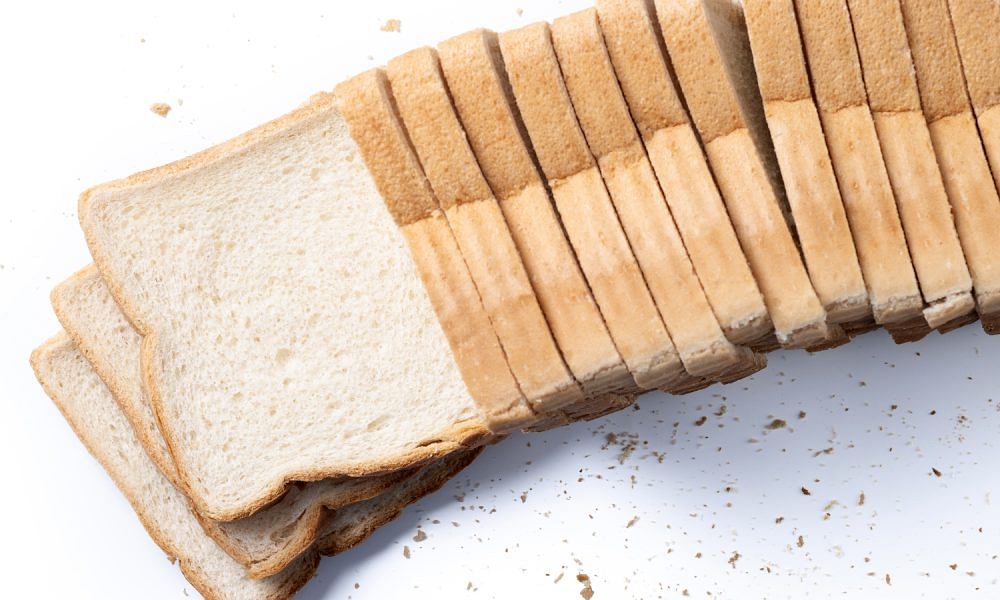
Picture this: You spent hours carefully following a bread recipe. You mixed, you kneaded, you patiently waited for the dough to rise. Your kitchen smells amazing as the loaf bakes to a beautiful golden brown. You pull it out, let it cool (mostly!), and reach for the knife, anticipating that perfect slice… only to have it crumble into a pile of dry pieces as you cut. Oh, the disappointment!
If this sounds familiar, you are definitely not alone. It’s one of the most common frustrations beginner bakers face. You followed the instructions, so why is my bread crumbly after baking? It’s easy to feel discouraged, but don’t hang up your apron just yet! Crumbly bread is usually a sign that something specific went slightly off track during the process, and the good news is, most of these issues are easily fixable once you know what to look for.
This guide is here to be your bread-baking detective. We’ll explore the most common culprits behind that disappointing crumbly texture and provide clear, actionable solutions to help you achieve the soft, sliceable, wonderful bread you’re aiming for. Let’s solve this mystery together!
Kneading isn’t just about mixing ingredients; it’s about developing that crucial gluten network.
What Kneading Does: Developing the Gluten Network
The physical action of kneading stretches and aligns the gluten proteins, creating a strong, elastic web throughout the dough.17 This web traps the gases produced by the yeast, allowing the bread to rise, and provides the structure needed to hold the loaf together after baking.
Signs of Under-Kneaded Dough
Dough that hasn’t been kneaded enough will often look shaggy, tear easily when stretched, and won’t feel smooth or elastic.
How Weak Gluten Leads to Crumbliness
If the gluten network is underdeveloped and weak, it can’t effectively trap steam or support the structure of the loaf as it bakes and cools. The resulting bread lacks cohesion and falls apart easily – hence, crumbliness.
The Fix: Knead Until Smooth and Elastic (Windowpane Test)
- Knead Thoroughly: Whether by hand or machine, ensure you knead the dough long enough. It should transform from a sticky mess into a smooth, pliable, elastic ball.
- Learn the Windowpane Test: This is the best way to check if gluten is sufficiently developed. Take a small piece of dough and gently stretch it between your fingers. If you can stretch it thin enough to see light through it without tearing (like a windowpane), the gluten is well-developed. If it tears easily, keep kneading. Need a visual? Check out this helpful guide and video on kneading techniques from King Arthur Baking (external link).