Tips
The Ultimate Guide to Perfectly Roasted Chicken Every Time: From Village Flavors to Modern Kitchens
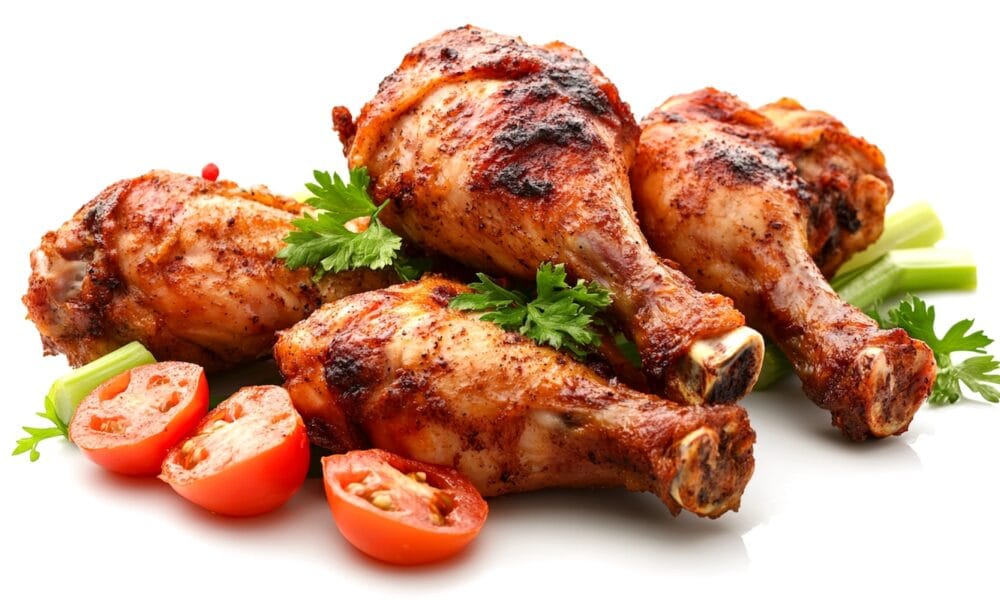
There is a specific kind of magic that happens on a Sunday afternoon in an East African home. It starts with the sharp, clean scent of lemon and ginger hitting a wooden cutting board. Then comes the rhythmic sound of a knife dicing garlic, followed by the heavy aroma of a charcoal Jiko being lit in the yard. Whether you are in the heart of Nairobi, the coastal breeze of Dar es Salaam, or a quiet village in the Ugandan countryside, a roasted Kuku is more than just a meal. It is a gesture of hospitality, a celebration of family, and a test of a cook’s true skill.
We have all been there—anticipating a beautiful, golden bird only to carve into meat that is dry as sawdust or skin that is rubbery and pale. Achieving that legendary combination of crackling, mahogany-colored skin and meat so juicy it practically carves itself is not a matter of luck. It is a science. By blending the time-honored traditions of our regional kitchens with professional meat-handling techniques, you can master a roast that would make any bibi proud.
In this guide, we are going to walk through everything from choosing the right bird at the market to the scientific secret of the 24-hour salt rest. You will walk away knowing exactly how to balance the deep, lean flavor of Kuku Kienyeji with the tender moisture of a modern broiler, ensuring every bite is a tribute to the vibrant food culture we call home.
Choosing Your Bird: Kuku Kienyeji vs. Grade Chicken
The foundation of a great roast starts long before you turn on the heat. In East Africa, we generally have two choices: the resilient, flavorful Kuku Kienyeji or the soft, fat-rich “Grade” chicken (broilers).
Kuku Kienyeji, the local runner, is prized for its deep, gamey flavor and firm texture. Because these birds spend their lives scratching in the dirt and running under the sun, their muscles are well-developed. If you choose a Kienyeji bird for roasting, you must treat it with respect—low and slow is the rule to avoid toughness. On the other hand, the broilers found in most modern butcheries are bred for quick growth and tender meat. They have more fat, which makes achieving a crispy skin much easier.
When you are at the butchery, look for skin that is tight and has a healthy, creamy or slightly yellowish hue. Avoid any bird that looks “grey” or has a faint sour smell. As noted in our guide to sourcing quality meat, the freshness of the bird determines the final aroma of your roast. A fresh bird will have plump breasts and legs that feel heavy for their size. If you are buying a whole bird, ensure the cavity is clean and the skin is intact; any tears in the skin will cause the meat underneath to dry out during roasting.
The Secret is in the Brinerade
Most people wait until the bird is in the pan to think about flavor. That is a mistake. The real work happens a day before. Professional chefs and meat scientists agree that salting your meat early is the single most effective way to guarantee juiciness.
When you apply salt to a chicken, it doesn’t just sit on the surface. Over several hours, the salt draws out the bird’s natural juices, dissolves them into a concentrated brine, and then the meat reabsorbs that liquid. This process breaks down tough muscle proteins, allowing the meat to hold onto more moisture even under the high heat of an oven.
For the best results, you want to use a “brinerade”—a hybrid of a brine and a marinade. While a wet brine (submerging the bird in salt water) is effective, a dry brine (rubbing the bird with salt and spices) yields much crispier skin.
Brining and Salting Times for Perfect Chicken
| Chicken Type | Salting Method | Recommended Time | Result |
| Whole Broiler (1.5kg – 2kg) | Dry Brine (Salt + Spices) | 12 to 24 hours | Exceptional skin crispness; deeply seasoned meat |
| Whole Kuku Kienyeji | Wet Brine (Salt + Sugar + Aromatics) | 8 to 12 hours | Breaks down tough fibers; adds necessary moisture |
| Chicken Quarters/Parts | Dry Brine | 4 to 6 hours | Quick seasoning; perfect for weeknight roasting |
| Spatchcock (Butterfly) | Dry Brine | 12 hours | Most even seasoning and fastest cook time |
For an East African twist, your dry brine should include more than just salt. Think of it as the soul of the dish. A mix of sea salt, cracked black pepper, and a touch of pili pili powder will start building layers of flavor before the bird even sees the heat.
The Swahili Flavor Profile: Crafting the Perfect Spice Paste
While the salt does the heavy lifting for texture, our local aromatics provide the personality. A dry bird is a sad bird, but a bland bird is an insult. The coastal influence in East African cooking brings a beautiful complexity to poultry. We don’t just want the skin to taste good; we want the flavor to penetrate the meat.
The trick is to create a thick, potent spice paste. Do not just rub it on top of the skin—most of it will simply melt off into the pan. Instead, gently loosen the skin over the breast and thighs with your fingers, being careful not to tear it. Shove that spice paste directly onto the meat under the skin. This protects the delicate breast meat from the direct heat and infuses it with flavor.
The Essential East African Roast Paste:
-
Garlic & Ginger: Freshly pounded in a kinu. The paste should be pungent.
-
Lemon Juice & Zest: The acid cuts through the chicken fat and brightens the flavor.
-
Melted Ghee or Coconut Oil: This acts as the vehicle for the spices and helps the skin brown.
-
Tumeric & Cumin: For that warm, earthy golden hue and a hint of the coast.
-
Fresh Dhania: Finely chopped stems carry more flavor than the leaves.
As you rub this mixture into the bird, ensure the cavity is also seasoned. A lemon halved and stuffed inside, along with a few cloves of garlic, will steam the meat from the inside out, adding even more fragrance.
The Art of Roasting: Heat, Timing, and the Golden Skin
There is a long-standing debate in kitchens: high heat for a short time, or low heat for a long time? For a truly “ultimate” roast chicken, we actually use both.
Starting your chicken at a high temperature (around 230°C/450°F) for the first 15–20 minutes “shocks” the skin, rendering the fat and starting the browning process immediately. This is how you get that glass-like texture that cracks when you bite into it. After that initial blast, you lower the temperature to around 175°C (350°F) to allow the meat to cook through gently without burning the exterior.
Another professional tip often overlooked in home kitchens is elevation. If you place your chicken directly on the bottom of a roasting pan, the underside will sit in its own juices and steam, resulting in soggy skin. Use a roasting rack or, in true East African style, create a “natural rack” by slicing onions, carrots, and potatoes into thick rounds and resting the bird on top of them. The chicken drippings will caramelize the vegetables, creating a built-in side dish that tastes like heaven.
Roasting Temperatures and Estimated Timing
| Oven Temperature | Initial Blast (High Heat) | Finishing Temp (Low Heat) | Estimated Time per 1kg |
| Standard Method | 230°C for 20 mins | 175°C | 45–55 minutes |
| Slow Roast (Kienyeji) | None | 150°C | 90–120 minutes |
| High Heat Only | 200°C throughout | N/A | 35–45 minutes |
| Spatchcock (Flat) | 220°C throughout | N/A | 30–40 minutes |
Note: These are estimates. Always check the thickness of the thigh for doneness.
Monitoring Doneness: No More Guesswork
In many of our kitchens, we are taught to cook chicken until the meat is “falling off the bone.” While this is great for a stew or a Karanga, it is the enemy of a good roast. If the meat is falling off the bone, it has likely lost all its internal juices.
To get it perfect every time, you need to know what is happening inside the bird. The dark meat (thighs and legs) is full of connective tissue and fat; it needs to reach a higher temperature to be tasty—around 75°C to 80°C. The white meat (breasts), however, is very lean and will turn into cardboard if it goes past 70°C.
If you don’t have a meat thermometer, use the old-school test: pierce the thickest part of the thigh with a skewer. If the juices run clear—not pink—the bird is ready. But remember, the bird is still cooking even after you take it out of the oven. This is called carryover cooking. If you pull the chicken out exactly when it hits the target temperature, it will actually overcook as it sits on the counter. Take it out when it is just a few degrees shy of your goal.
The Final Secret: Resting and Carryover Cooking
The hardest part of roasting a chicken is the twenty minutes after you take it out of the oven. The smell will be incredible. The skin will be glistening. Your family will be hovering around the kitchen with plates in hand.
Do not cut that chicken yet.
When meat cooks, the muscle fibers contract and push all the juices toward the center of the bird. If you carve it immediately, those juices will run out onto your cutting board, leaving the meat dry. By letting the bird rest for at least 15 to 20 minutes, you allow the muscle fibers to relax and reabsorb those juices.
Place the chicken on a warm platter and tent it loosely with foil—not too tight, or the steam will soften your crispy skin. This resting period is the difference between a good chicken and a legendary one. While the bird rests, you can take those beautiful pan drippings, whisk in a little flour and some chicken stock, and make a quick gravy that carries all the flavor of the ginger, garlic, and lemon you used in the rub.
Serving the Legend
A perfect roast chicken deserves sides that respect its effort. In a traditional setting, this bird is the star alongside a steaming mound of Ugali and a side of well-seasoned Sukumawiki. The bitterness of the greens and the neutral base of the Ugali allow the spices of the chicken to shine. If you are feeling more contemporary, a vibrant Kachumbari with plenty of lime juice and fresh pili pili provides the perfect acidic crunch to cut through the richness of the roasted skin.
Roasting a chicken is a journey of patience. It is about the quiet hours of salting, the careful pounding of spices, and the discipline of letting the meat rest. When you finally sit down and break bread—or pull apart a drumstick—with your loved ones, you aren’t just eating protein. You are sharing a piece of culinary craft that has been refined over generations.
Mastering the roast is a badge of honor for any cook. It shows you understand heat, you respect the ingredients, and you value the people you are feeding. So, the next time you find a beautiful Kuku at the market, don’t just toss it in a pot for a stew. Give it the royal treatment. Salt it early, spice it deeply, and roast it with the confidence of someone who knows exactly what they are doing.
Tried this recipe at your next family gathering? We want to hear how that skin turned out! Tell us about your favorite local spice additions in the comments below.
Hungry for more kitchen secrets? Explore our full guide to mastering the art of Kuku Choma for your next outdoor cookout. Tag us on Instagram with your golden-brown creations—we love seeing what’s cooking in your kitchens.