Learn
Lesson 4: A Guide to Herbs and Spices in Your Kitchen
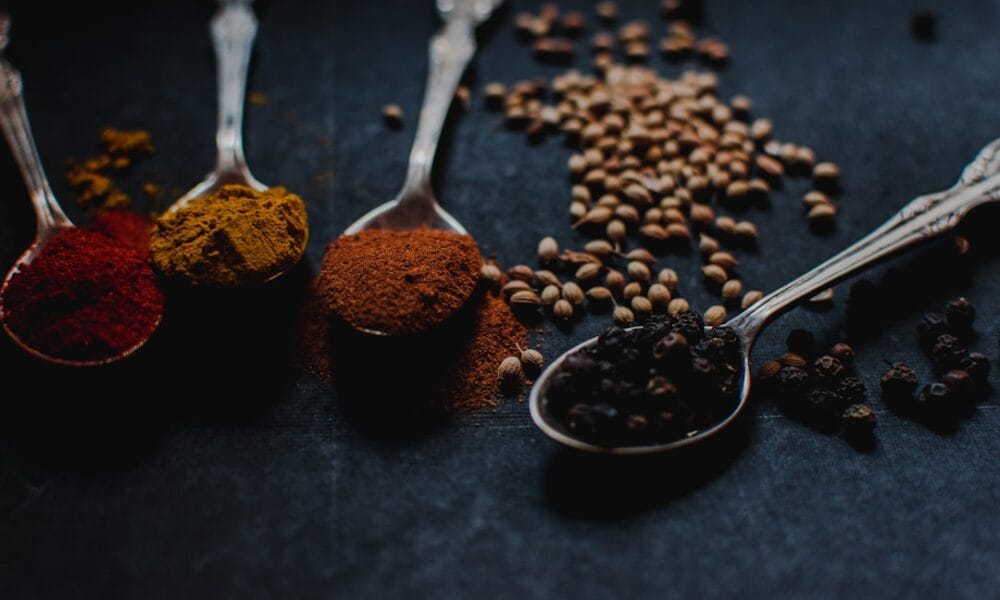
The world of cooking is a fascinating journey of discovery, where simple ingredients can be transformed into culinary masterpieces. While the basic tastes—salty, savory, spicy, sour, and sweet—form the foundation of flavor, it’s the addition of herbs and spices that truly elevates a dish. These aromatic treasures add depth, character, and complexity, turning ordinary meals into extraordinary experiences. This article will explore the differences between herbs and spices, their unique properties, and how to use them to enhance your cooking.
The Essence of Flavor: Herbs vs. Spices
Many people use the terms “herbs” and “spices” interchangeably, but they are distinct categories with different origins and properties. Understanding these differences can help you use them more effectively in your cooking.
What are Spices?
Spices are typically derived from the roots, bark, flowers, or seeds of a flavorful plant. They tend to have a more intense and pungent flavor than herbs. Some common examples of spices include:
- Cinnamon (bark)
- Nutmeg (seed)
- Cloves (flower)
- Coriander (seeds)
- Cumin (seed)
- Ginger (root)
- Black pepper (seed)
What are Herbs?
Herbs, on the other hand, are the dried or fresh leaves of edible plants that impart an aromatic flavor. They generally have a more subtle and delicate flavor than spices. Some common examples of herbs include:
- Oregano (leaves)
- Basil (leaves)
- Thyme (leaves)
- Marjoram (leaves)
- Lavender (needles)
- Rosemary (needles)
- Cilantro (leafy vegetation of the coriander plant)
Cultural Influences
The use of herbs and spices is also influenced by cultural and regional cooking styles. Eastern cooking styles often favor the use of spices, while Western styles tend to use more herbs. This is largely due to the availability of these products in different regions as different cultures and cooking techniques evolved. Spices are often used in combination with each other, like in curry, whereas herbs are frequently used individually, such as a sprig of rosemary on lamb.
The Importance of Freshness and Potency
The potency of herbs and spices is greatly affected by their age and storage conditions. It is crucial to consider these factors to ensure that your dishes achieve their intended flavor profile.
Time and Flavor
Time can diminish or alter the flavor of dried herbs and spices. Just because a seasoning is dried or preserved doesn’t guarantee it will retain its flavor. It is essential to store them properly and use them in a timely manner. Like yogurt, which changes in flavor and consistency as it ages, herbs and spices will also change over time.
Potency Variations
The strength of a spice will affect how much you use when you are cooking. Older spices and herbs, like a five-year-old oregano, will not be as strong as freshly dried oregano. You will need to use more older spices to compensate for the loss of flavor. Additionally, some herbs, like thyme and sage, can develop a musty or unpleasant odor and flavor as they age. Cinnamon is an example of a spice that will lose its potency as it ages. Therefore, it’s important to know that when a recipe calls for a certain amount of seasoning, the freshness of your ingredients will determine the end result.
Proper Storage
To maintain the potency of dried herbs and spices, it is essential that they are kept dry and are not too old.
Building Flavors: Techniques and Best Practices
Seasoning is a vital part of cooking, but it’s important to do it with intention and care. The goal is to complement the flavors that are already present in the ingredients, not to mask them.
Start with Less
When seasoning a dish, a good rule of thumb is to start with less seasoning than you think you will need. You can always add more later, but you can’t take it away. This allows you to build the flavors gradually.
The “Roundness of Flavor” Technique
As a dish gets closer to being finished, taste it, and slowly add more seasoning in small increments until you achieve the right “roundness of flavor”. This technique ensures that the flavors in the dish are well-balanced. It also allows for secondary flavors to develop, as was described in a previous conversation about the five basic tastes, when flavors combine and interact.
Individual Sensitivities
Keep in mind that you may become more or less sensitive to certain seasonings depending on the ingredients in your recipe. This is especially true for spicy flavors. The strength of spicy seasonings can vary, so it’s always best to add just a little at a time. No two products are exactly the same. The same is true for every living thing.
The Importance of Balance
Just as a painter layers colors to create a masterpiece, a cook layers flavors to build a dish. Avoid adding all your seasonings at once. Instead, think of building your flavors “brick by brick”. This ensures that the flavors work together rather than against each other. The goal is to enhance the natural flavors of your ingredients, not to change them. This principle is shared by both Chinese and Italian cooking styles.
Actionable Insights and Key Takeaways
- Differentiate Between Herbs and Spices: Understand that herbs are leaves and spices come from other parts of the plant.
- Pay attention to freshness: Fresh herbs are ideal, but dried herbs and spices should be stored properly and replaced regularly.
- Start with Less Seasoning: When you are seasoning your dishes, begin with less and then gradually add more to achieve the correct balance of flavors.
- Use the “Roundness of Flavor” Technique: Taste your dish as it cooks, adding small amounts of seasoning to achieve a balanced flavor profile.
- Be Aware of Individual Sensitivities: Recognize that your sensitivity to certain flavors can vary based on the ingredients you are using.
- Build Flavors Gradually: Don’t add all the seasonings at once; add them in layers to create a more complex flavor profile.
- Complement, Don’t Change: Use seasonings to enhance the natural flavors of your ingredients, not to mask them.
The Art of Seasoning
Mastering the use of herbs and spices is essential for unlocking the full potential of your cooking. By understanding the differences between herbs and spices, their unique properties, and the best ways to use them, you can elevate your dishes to new heights of flavor. Remember that cooking is a journey of continuous learning and discovery. By experimenting with different combinations, you can create your own unique and delicious recipes, embracing the art of seasoning.