Management
Mastering Restaurant Food Costing: A Comprehensive Guide to Profitability
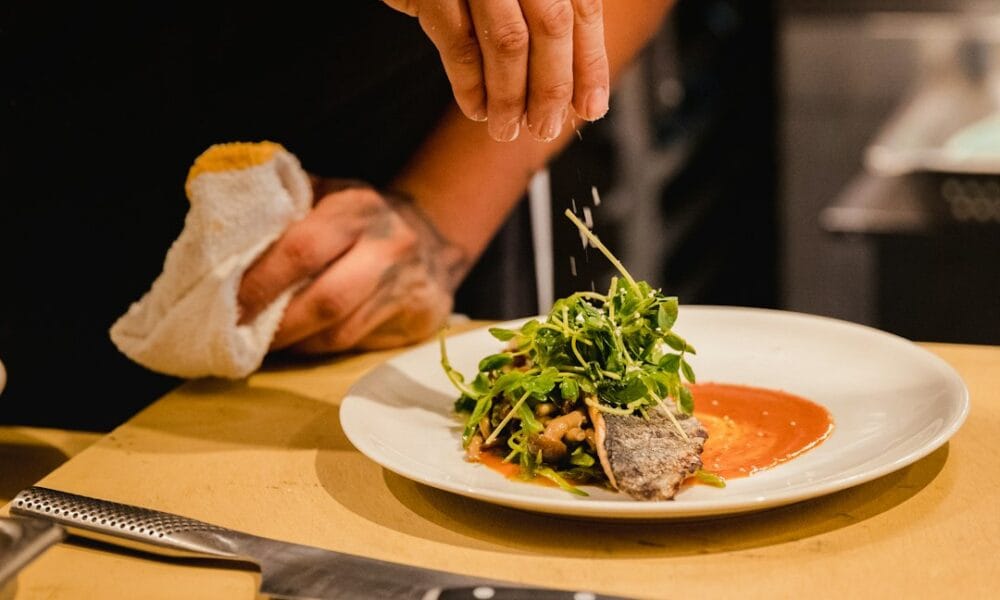
In the vibrant world of culinary arts, crafting delectable dishes is just one ingredient in the recipe for restaurant success. Behind the scenes, the often-overlooked practice of food costing plays a critical role in determining profitability. Understanding and accurately managing your food costs can be the difference between a thriving establishment and a struggling one.
This comprehensive guide delves into the intricacies of restaurant food costing, providing practical tips, actionable insights, and strategies to help you gain control of your expenses and maximize your profits.
What is Restaurant Food Costing, and Why is it Crucial?
Food costing, in simple terms, involves determining the actual cost of all the ingredients that go into each dish on your menu. It’s a fundamental aspect of restaurant management, as it directly impacts your profit margins and overall financial health.
Key reasons why food costing is crucial:
- Pricing Accuracy: Proper food costing enables you to set menu prices that cover your expenses while remaining competitive and attractive to customers.
- Profitability: By understanding the true cost of your dishes, you can make informed decisions about menu pricing and ingredient sourcing to optimize profitability.
- Waste Reduction: Food costing helps you identify areas of potential waste, enabling you to implement strategies to minimize losses and improve efficiency.
- Inventory Management: Accurate food costing facilitates effective inventory control, ensuring you have the right ingredients in stock without excess or shortages.
Common Challenges in Restaurant Food Costing
While the concept of food costing might seem straightforward, several challenges can arise, leading to inaccuracies and, ultimately, reduced profitability.
Here are some common obstacles:
- Yield Loss: The process of preparing ingredients often leads to a reduction in usable portions. For instance, trimming, peeling, and slicing vegetables result in waste that needs to be accounted for. Failing to consider yield loss can lead to underestimating the true cost of ingredients.
- Inconsistent Units of Measurement: Purchasing ingredients in bulk and using different units of measurement during preparation can create confusion and make accurate costing difficult.
- Lack of Standardized Recipes: Inconsistent recipes, variations in ingredient quantities, and vague instructions can lead to discrepancies in food costs between batches.
- Neglecting Price Fluctuations: Ingredient prices can fluctuate significantly, and neglecting to update your food costs accordingly can erode your profit margins.
Strategies for Accurate Restaurant Food Costing
Implementing effective food costing practices requires a systematic approach and attention to detail.
Here are some key strategies to ensure accuracy:
1. Always Factor in Yield Percentages
Failing to account for yield loss is a common mistake in food costing.
To address this:
- Measure and Record Yields: During recipe development, carefully measure the usable portion of each ingredient after preparation.
- Calculate Yield Percentages: Determine the percentage of usable product after accounting for trim, waste, and shrinkage.
- Adjust Ingredient Costs: Use the yield percentage to calculate the actual cost of the usable portion of each ingredient.
Example: If you purchase onions for $1.24/lb and experience a 15% yield loss during preparation, your actual cost for the usable portion is $1.45/lb.
2. Utilize Consistent Units of Measurement
Using consistent units of measurement throughout your recipes and costing calculations is crucial for accuracy.
Here’s how:
- Standardize Recipes: Use weight or volume-based measurements (grams, cups, milliliters) for consistency.
- Define Custom Units: For ingredients purchased in bulk or non-standard units, establish clear definitions for custom units. For example, define a “block” of cream cheese as 8 ounces.
3. Be Meticulous with Recipe Documentation
Detailed and standardized recipes are the foundation of accurate food costing.
Ensure your recipes include:
- Specific Prep Actions: Specify the exact preparation method for each ingredient, such as sliced, diced, or minced, as different techniques affect yield.
- Precise Ingredient Quantities: Use consistent units of measurement and clearly state the quantity of each ingredient.
- Notes on Cooking Processes: Include any details about cooking methods that might affect yield or ingredient usage.
4. Regularly Update Ingredient Costs
Ingredient prices fluctuate, so it’s essential to update your food costs accordingly.
Implement these practices:
- Track Invoice Prices: Keep a record of ingredient prices from your suppliers and update your cost calculations regularly.
- Monitor Market Trends: Stay informed about changes in ingredient prices due to seasonality, supply chain disruptions, or other factors.
- Adjust Menu Prices: Periodically review your menu prices to reflect changes in ingredient costs and maintain profitability.
5. Leverage Technology for Efficiency
Utilizing technology can streamline your food costing process and improve accuracy.
Consider these options:
- Recipe Management Software: Software like meez offers features such as yield percentage calculations, custom unit conversions, and automatic cost updates, simplifying the costing process.
- Inventory Management Systems: These systems track ingredient usage and costs, helping you optimize inventory levels and minimize waste.
- Point-of-Sale (POS) Systems: Integrated POS systems can track sales data and ingredient usage, providing valuable insights for costing analysis.
Food Costing is the Foundation of Restaurant Profitability
Mastering the art of restaurant food costing is an ongoing process that requires attention to detail, consistent practices, and a willingness to adapt to changing market conditions. By embracing the strategies outlined in this guide and leveraging available technology, you can gain control of your expenses, optimize your menu pricing, and pave the way for long-term profitability.
Remember that accurate food costing is not merely a financial exercise; it’s a strategic tool that empowers you to make informed decisions, enhance efficiency, and create a sustainable and successful restaurant business.