Meat and Poultry
Why Ground Chicken Is Your New Burger Best Friend
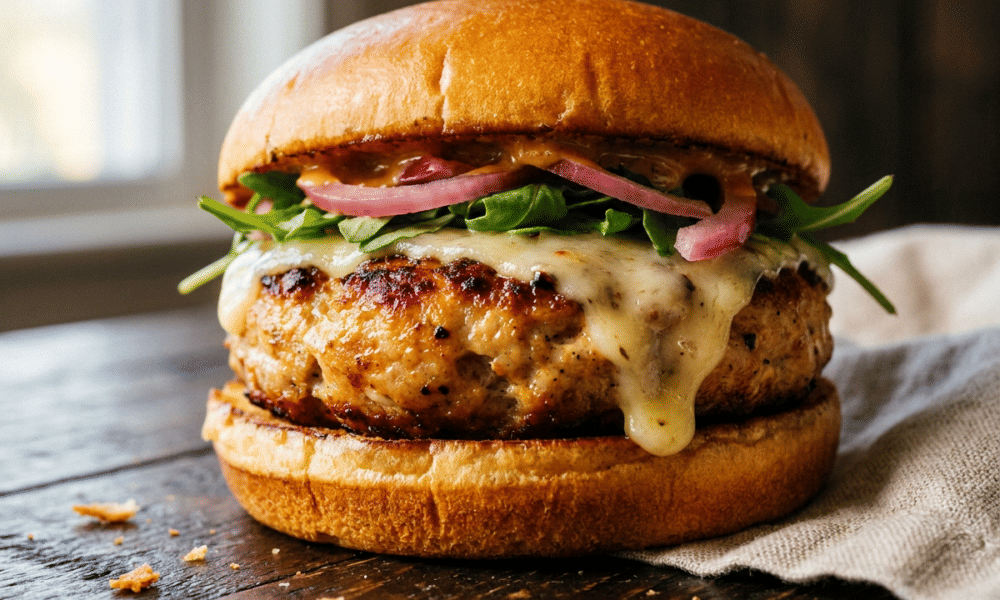
Here’s a hot take that might ruffle some feathers — pun absolutely intended. Ground chicken makes a better weeknight burger than ground beef. Not a different burger. Not a healthier compromise burger. A genuinely, unambiguously better burger for the specific moment when you want something fast, flavorful, and a little more interesting than the same beef patty you’ve been making since college.
I know. I know. You have feelings about beef burgers. So do I. This isn’t an either/or conversation — it’s an expansion of your repertoire. Stick with me.
The Reputation Problem
Ground chicken has an image crisis, and it earned it honestly. For years, it was the thing you bought when you were “being good” — the flavorless, grey, crumbly patty that fell apart in the pan and tasted of noble intentions and quiet disappointment. You ate it and felt virtuous and slightly cheated simultaneously.
That version of ground chicken exists. It’s made by people who treat it exactly like beef — season it minimally, form it loosely, throw it in a pan, and hope for the best. The result is predictably sad. But here’s what those people missed: ground chicken isn’t beef. It has different fat content, different protein structure, different moisture behavior. It needs a slightly different approach. Give it that approach and it doesn’t just compete with beef — it does things beef can’t.
What Ground Chicken Actually Is
Let’s get under the hood for a second. Ground chicken — the good stuff, not the ultra-lean 99% fat-free variety that’s essentially chicken-flavored chalk — is a blend of dark and light meat that sits somewhere around 7–10% fat. That’s leaner than the 80/20 beef most people use for burgers, which is both its challenge and its secret weapon.
Less fat means the burger doesn’t self-baste as aggressively during cooking. It needs a little help holding moisture and staying cohesive. But less fat also means the flavors you add aren’t competing with the heavy richness of beef. Ground chicken is essentially a blank canvas that accepts seasoning more readily, integrates mix-ins more completely, and delivers a cleaner, lighter bite that lets toppings sing rather than getting buried under beefy intensity.
Think of it this way: beef is a lead singer who dominates every song. Ground chicken is a world-class session musician who makes everyone around it sound better.
The Binding Problem — Solved in 60 Seconds
Here’s the technical hurdle everyone hits and most people never clear. Ground chicken’s lower fat content means it’s stickier and wetter than beef, which makes patties prone to falling apart or sticking aggressively to your cooking surface. You form what looks like a promising burger, it hits the pan, and thirty seconds later it’s a pile of crumbles with commitment issues.
The fix is embarrassingly simple: a binder. One egg yolk per pound of meat, a tablespoon of mayonnaise (which adds fat and emulsification simultaneously), and two tablespoons of breadcrumbs. Mix gently — overmixing develops proteins and makes the texture dense and rubbery — and refrigerate the formed patties for fifteen minutes before cooking. That chill firms everything up, gives the binder time to set, and produces a patty that holds together with actual conviction.
Cold patties into a hot pan. That’s it. That’s the whole secret.
The Seasoning Window Is Wide Open
This is where ground chicken earns its keep as a creative vehicle. Because its baseline flavor is mild and clean, you can take it in genuinely different directions without fighting the meat’s inherent character.
The Classic Done Right: Garlic powder, onion powder, smoked paprika, a healthy crack of black pepper, and a teaspoon of Worcestershire sauce worked directly into the meat. This produces a burger that tastes emphatically savory and deeply seasoned without tasting exotic — familiar enough to convert a beef skeptic, interesting enough to make them ask what’s different.
The Mediterranean: Finely chopped sun-dried tomatoes, crumbled feta, fresh oregano, and a squeeze of lemon zest mixed into the meat. Top with tzatziki, arugula, and thinly sliced red onion on a toasted pita. This isn’t trying to be a beef burger at all — it’s playing an entirely different game and winning it.
The Spiced-Up Version: Grated ginger, soy sauce, sesame oil, scallions, and a little sriracha mixed into the patty, finished with a slaw of napa cabbage and rice vinegar. Serve on a brioche bun with mayo that you’ve stirred a touch of miso into. This is the one that makes people stare at their plate and then immediately want to know the recipe.
The Italian Job: Ground chicken meets the flavors of Italian sausage — fennel seeds, red pepper flakes, garlic, and fresh parsley — and suddenly you have a burger that tastes like Sunday dinner in a handheld format. Top it with fresh mozzarella that melts under the broiler for sixty seconds and a spoonful of good marinara. Serve it and pretend you planned this all along.
Cooking It Right: The Method That Actually Works
Ground chicken is forgiving in seasoning and unforgiving in technique, which means how you cook it matters as much as how you season it.
Medium-high heat in a well-oiled cast iron skillet. Form your patties to about three-quarter inch thickness — thinner than you might make a beef burger, which allows even cooking without the outside drying out before the inside reaches temperature. Press a shallow dimple in the center with your thumb; chicken patties puff as the proteins tighten, and the dimple counteracts that so you get a flat, even surface rather than a domed middle that slides toppings onto the plate.
Four minutes on the first side, untouched. Resist the flip. Resist the press. Resist the temptation to check whether it’s sticking — if it is, it isn’t ready to release yet. Flip once, cook three to four minutes on the second side, and check temperature. You’re looking for 165°F, which is non-negotiable with poultry. No pink, no guessing. Get the thermometer in there.
One last move that makes a genuine difference: add a slice of good melting cheese — gruyère, smoked gouda, or pepper jack all work beautifully — in the last ninety seconds of cooking and cover the pan briefly to melt it. The trapped steam finishes the melt without overcooking the burger. It’s a restaurant move that takes four seconds and feels like cheating.
The Toppings Equation
Because ground chicken plays so well with bold flavors, it rewards toppings you might consider too assertive for beef. Pickled red onions. Avocado smashed with lime and salt. A schmear of harissa mayo. Crispy shallots. Fresh herbs. These additions don’t overwhelm a chicken burger the way they sometimes overwhelm beef — they collaborate with it, each flavor finding its lane without traffic.
The one topping I’d argue is essential, regardless of which direction you take the burger: something acidic. A good pickle, a vinegary slaw, pickled jalapeños — anything that cuts through the richness of the patty and mayo and cheese and bun and reminds your palate that brightness exists. Acid is the thing most home burgers miss, and it’s the thing that makes restaurant burgers taste complete.
The Part Where I Make the Argument Directly
Ground chicken won’t replace beef in your life. It shouldn’t. A classic smash burger with American cheese and special sauce is a specific, irreplaceable thing, and anyone who tells you otherwise is wrong.
But ground chicken will expand what Tuesday dinner looks like. It’ll give you a burger that’s lighter without being lesser, more versatile without being fussy, and genuinely exciting in a way that the same beef patty — however well-executed — eventually stops being.
The leap is smaller than you think. Same bun. Same grill or cast iron. Same cold beer on the counter. Just a different, better-than-you-expected patty in the middle, seasoned like you knew exactly what you were doing.
Because now you do.