
Baking
Solving the Crumbly Bread Mystery: Common Causes and How to Fix Them
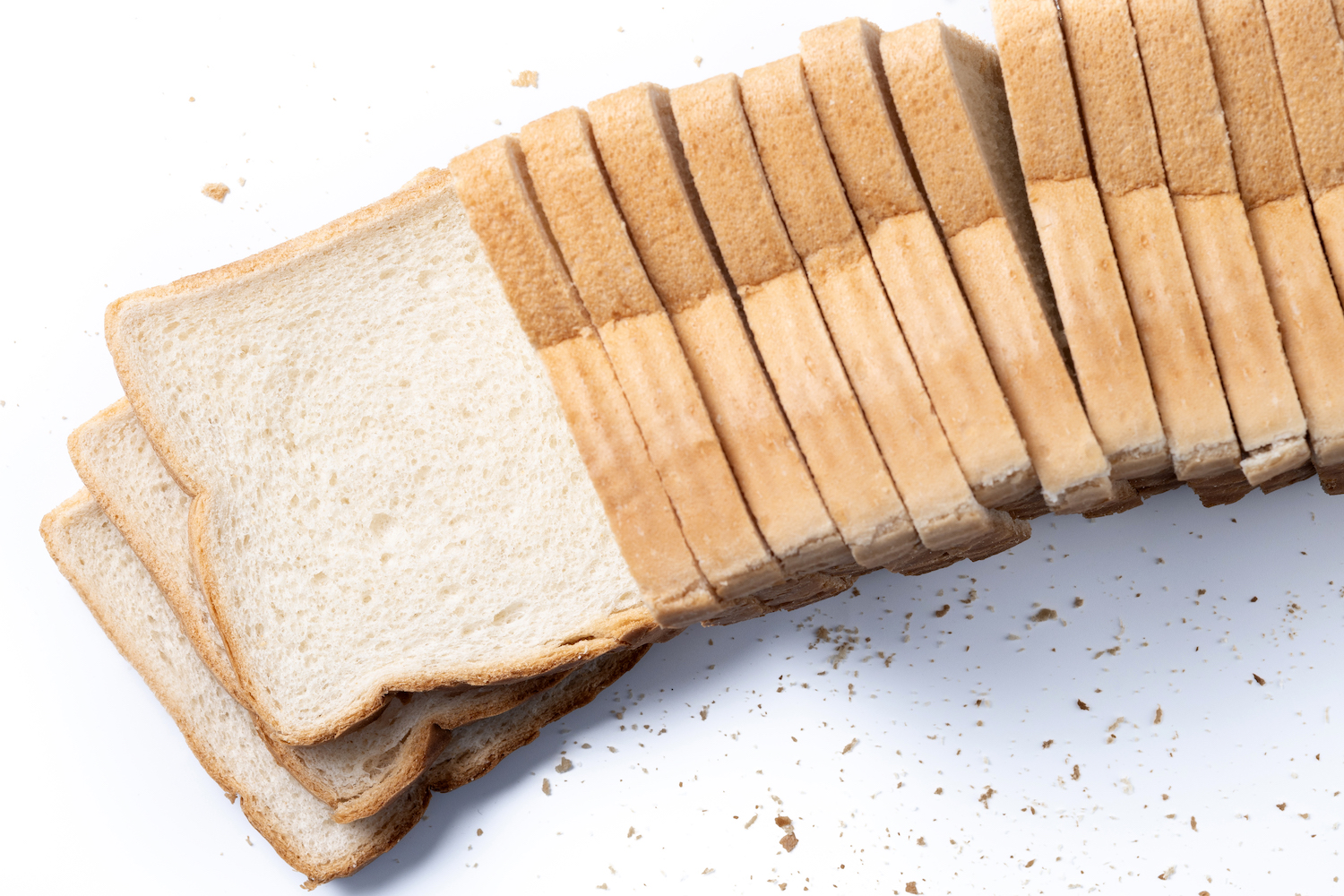
Picture this: You spent hours carefully following a bread recipe. You mixed, you kneaded, you patiently waited for the dough to rise. Your kitchen smells amazing as the loaf bakes to a beautiful golden brown. You pull it out, let it cool (mostly!), and reach for the knife, anticipating that perfect slice… only to have it crumble into a pile of dry pieces as you cut. Oh, the disappointment!
If this sounds familiar, you are definitely not alone. It’s one of the most common frustrations beginner bakers face. You followed the instructions, so why is my bread crumbly after baking? It’s easy to feel discouraged, but don’t hang up your apron just yet! Crumbly bread is usually a sign that something specific went slightly off track during the process, and the good news is, most of these issues are easily fixable once you know what to look for.
This guide is here to be your bread-baking detective. We’ll explore the most common culprits behind that disappointing crumbly texture and provide clear, actionable solutions to help you achieve the soft, sliceable, wonderful bread you’re aiming for. Let’s solve this mystery together!
The type and condition of your flour play a huge role in the final bread structure.
Low Protein Flour (e.g., Cake Flour vs. Bread Flour)
Flour contains proteins that form gluten when mixed with water and kneaded.2 Gluten creates the stretchy, elastic network that traps gas bubbles and gives bread its structure and chew.3 Different flours have different protein levels:
- Bread Flour: High protein (usually 12-14%), develops strong gluten, ideal for chewy, structured breads.4
- All-Purpose Flour: Moderate protein (usually 10-12%), can work for many breads but might result in a slightly less structured loaf.5
- Cake/Pastry Flour: Low protein (usually 7-9%), forms weak gluten, perfect for tender cakes and pastries, but not suitable for most bread recipes. Using low-protein flour will result in a weak structure that can easily become crumbly.
Using Only Whole Wheat Flour
Whole wheat flour includes the bran and germ of the wheat kernel.6 While nutritious, these components (especially the sharp bran particles) can interfere with gluten development, essentially cutting the gluten strands and weakening the structure.7 Breads made with 100% whole wheat flour are often denser and can be more prone to crumbliness if not handled correctly (e.g., requiring more liquid or specific techniques).8
Flour Freshness and Storage
Flour doesn’t last forever. Old flour can lose moisture and its protein quality can degrade, potentially leading to poorer gluten development and a drier, crumblier loaf.9 Store your flour in an airtight container in a cool, dark place. In warm, humid climates like parts of Kenya, proper storage is especially important to prevent moisture absorption or degradation.
The Fix: Use the Right Flour, Combine Whole Wheat, Store Properly
- Choose Appropriately: Use bread flour if the recipe calls for it, or at least a good quality all-purpose flour. Avoid cake or pastry flour for standard bread loaves.
- Combine Flours: If using whole wheat, try substituting only a portion (e.g., 25-50%) of the white flour with whole wheat initially, until you get a feel for how it behaves.
- Ensure Freshness: Use flour before its expiration date and store it correctly. Learn more about locally available options in our guide to Understanding Flour Types in Kenya (hypothetical internal link).