
Baking
Solving the Crumbly Bread Mystery: Common Causes and How to Fix Them
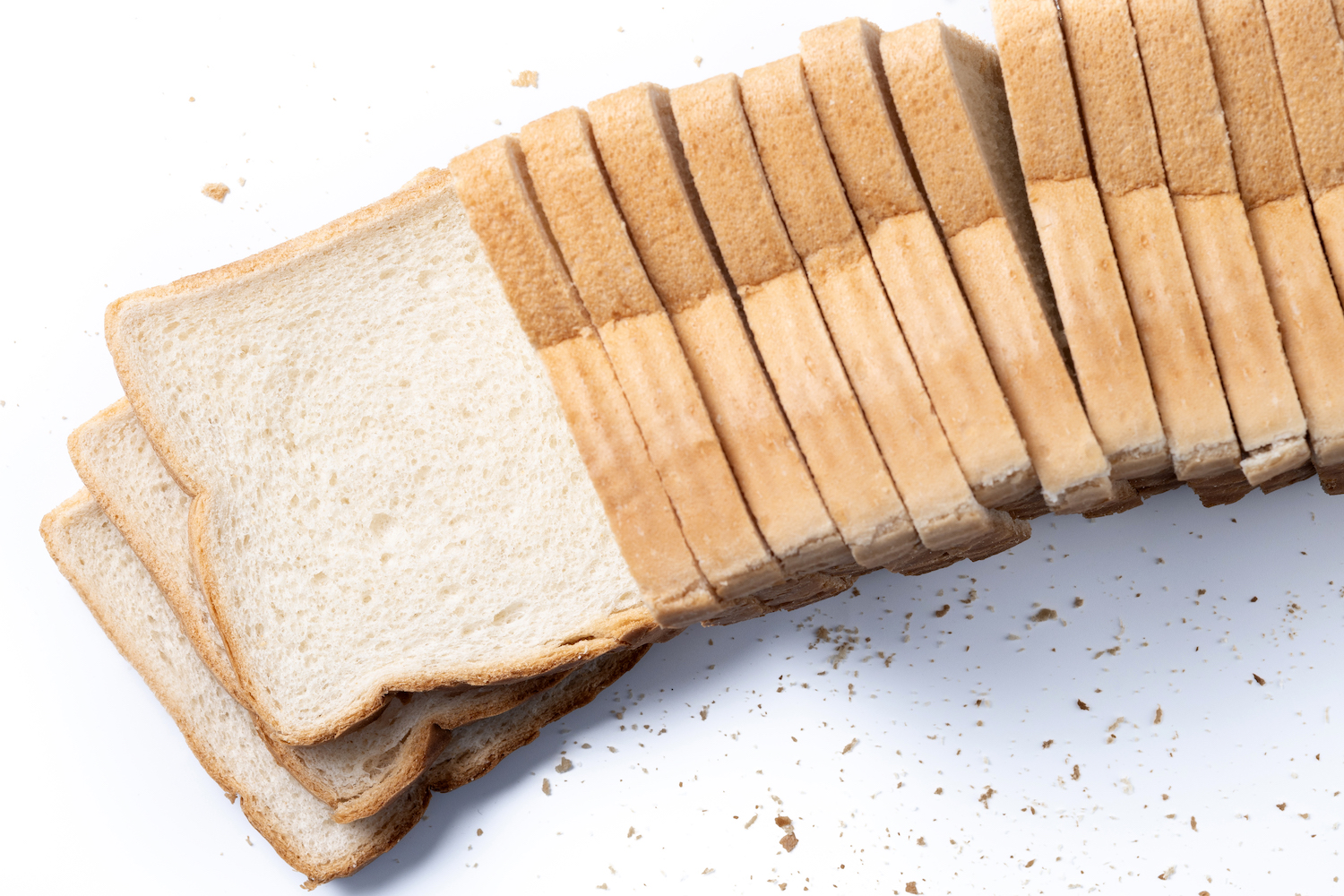
Picture this: You spent hours carefully following a bread recipe. You mixed, you kneaded, you patiently waited for the dough to rise. Your kitchen smells amazing as the loaf bakes to a beautiful golden brown. You pull it out, let it cool (mostly!), and reach for the knife, anticipating that perfect slice… only to have it crumble into a pile of dry pieces as you cut. Oh, the disappointment!
If this sounds familiar, you are definitely not alone. It’s one of the most common frustrations beginner bakers face. You followed the instructions, so why is my bread crumbly after baking? It’s easy to feel discouraged, but don’t hang up your apron just yet! Crumbly bread is usually a sign that something specific went slightly off track during the process, and the good news is, most of these issues are easily fixable once you know what to look for.
This guide is here to be your bread-baking detective. We’ll explore the most common culprits behind that disappointing crumbly texture and provide clear, actionable solutions to help you achieve the soft, sliceable, wonderful bread you’re aiming for. Let’s solve this mystery together!
Ingredients like butter, oil, eggs, and sugar do more than just add flavour.
The Role of Fat (Butter, Oil) in Tenderizing Crumb
Fats coat flour proteins, slightly inhibiting gluten development.10 This might sound bad, but in moderation, it actually tenderizes the crumb, making it softer and less prone to dryness and crumbling. Fat also adds moisture and richness.11
Eggs and Sugar: How Enrichment Adds Moisture and Softness
Eggs add fat, moisture, and structure (from the proteins).12 Sugar not only adds sweetness but is also hygroscopic, meaning it attracts and holds onto moisture, contributing to a softer, less crumbly texture.13 Milk (instead of water) also adds fat, sugar (lactose), and protein, contributing to softness.14
Lean Doughs vs. Enriched Doughs
- Lean Doughs: Made with just the basics: flour, water, salt, yeast/starter (e.g., baguettes, basic sourdough).15 These rely heavily on proper gluten development and hydration for texture. If made incorrectly (especially with too much flour), they can become dry and crumbly.
- Enriched Doughs: Contain added fats, sugar, eggs, or dairy (e.g., brioche, challah, soft sandwich loaves).16 These additions naturally create a softer, more tender crumb that is generally less prone to crumbling.
The Fix: Follow Recipes Accurately, Consider Enrichment
- Don’t Skimp: If your recipe calls for butter, oil, eggs, or milk, use the specified amounts. Reducing these can negatively impact the texture.
- Choose Enriched Recipes: If you consistently struggle with crumbly lean breads, try baking some enriched recipes to enjoy a naturally softer crumb while you continue practicing your technique on lean doughs.